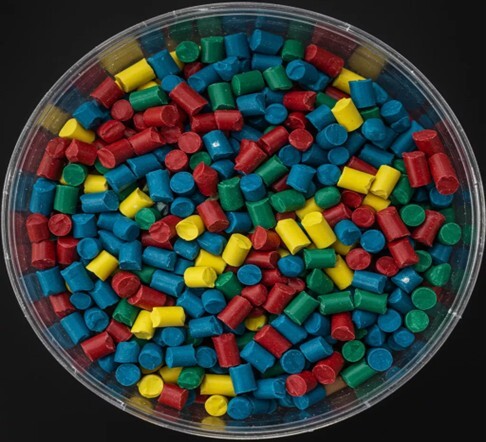
What is thermoplastic elastomer?
If you've ever wondered about the versatile materials that make everything from soft-grip power tools to flexible phone cases possible, you've come to the right place. Thermoplastic elastomers are revolutionising manufacturing across industries, and understanding what they are could change how you think about material selection.

What Does TPE Stand For?
What is TPE? TPE stands for Thermoplastic Elastomer, a unique class of materials that combines the best characteristics of both thermoplastics and elastomers. Think of TPE as the ultimate shape-shifter in the materials world – it can be melted and reformed like plastic, yet maintains the flexibility and resilience of rubber.
Understanding Thermoplastic Elastomers vs. Traditional Materials
The TPE Advantage Over Conventional Rubber
Traditional rubber materials have served us well for decades, but they come with significant limitations:
- Processing challenges: Conventional rubber requires vulcanisation, a time-consuming and energy-intensive curing process
- Recycling difficulties: Once cured, traditional rubber cannot be remelted and reformed
- Limited design flexibility: Complex shapes and multi-material designs are difficult to achieve
- Higher production costs: Longer processing times and additional steps increase manufacturing expenses
Thermoplastic elastomers eliminate these pain points by offering the flexibility of rubber with the processability of thermoplastics.
How TPE Relates to Thermoplastic Rubber and TPU
When discussing what thermoplastic elastomer encompasses, it's important to understand the broader family:
- Thermoplastic rubber: Often used interchangeably with TPE, this term emphasizes the rubber-like properties
- TPU (Thermoplastic Polyurethane): A specific type of thermoplastic elastomer known for exceptional durability and chemical resistance
- Other TPE variants: Including TPO, TPS, and TPEE, each offering unique property profiles
Real-World Applications: Where TPE Shines
Overmoulding Applications
One of the most recognisable uses of thermoplastic elastomer is in overmoulding applications. You'll find TPE creating those comfortable soft grips on:
- Power tools and hand tools
- Toothbrush handles
- Kitchen utensils
- Automotive interior components
- Medical device housings
This overmoulding process allows manufacturers to combine rigid plastics with flexible TPE in a single molding operation, creating products that are both functional and comfortable to use.
Beyond Soft Grips
Thermoplastic elastomers excel in numerous other applications:
- Automotive seals and gaskets: Weather-resistant and durable
- Consumer electronics: Flexible cables, protective cases, and shock-absorbing components
- Medical devices: Biocompatible grades for tubing, seals, and soft-touch surfaces
- Footwear: Sole materials that combine comfort with performance
Key Benefits That Make TPE a Game-Changer
Processing Advantages
- Can be processed using standard thermoplastic equipment
- No curing required – immediate demolding possible
- Faster cycle times compared to conventional rubber
- Ability to create complex geometries and multi-material parts
Performance Benefits
- Wide range of hardness levels (Shore A 10 to Shore D 70)
- Excellent flexibility and elastic recovery
- Good chemical and weather resistance
- Colourability without compromising properties
Environmental Benefits
- 100% recyclable through remelting
- Reduced energy consumption during processing
- Longer product lifespan due to durability
Choosing the Right TPE for Your Application
Understanding what thermoplastic elastomer can do is just the beginning. Success depends on selecting the right grade for your specific needs:
- Hardness requirements: From gel-like softness to firm flexibility
- Chemical exposure: Resistance to oils, acids, or UV radiation
- Temperature range: Operating conditions from -40°C to 150°C
- Regulatory compliance: Food, medical, or automotive certifications
The Future of Thermoplastic Elastomers
As industries continue to demand more sustainable, efficient, and versatile materials, TPE technology continues to evolve. New formulations are constantly being developed to meet increasingly specific performance requirements while maintaining the core advantages that make thermoplastic elastomers so valuable.
Whether you're a designer, engineer, or manufacturer, understanding what TPE brings to the table positions you to make better material decisions for your next project.
Conclusion
Thermoplastic elastomers truly are the shape-shifters of the materials world. By combining the processability of thermoplastics with the performance of elastomers, TPE offers solutions that conventional materials simply cannot match. From the soft-grip power tools in your garage to the advanced medical devices saving lives, thermoplastic elastomers are quietly revolutionising how we design and manufacture products.
Ready to explore how TPE could transform your next project? Please get in touch to find out how we can help.

How Is HIPS Plastic Made? The Plastic That’s Got More Flex Than You

What Is Plastic Regrind? Giving Old Plastics a Second Spin